
Romance fraud is one of the fastest-growing scams targeting foreign citizens with personal or business ties to Romania. Here is how to recognise it early, what Romanian law says, and how victims can recover their money and protect their assets.
As Romania attracts more international professionals, investors and expats, online relationships between foreign citizens and Romanian nationals have become common. Most of them are genuine. Some, however, are carefully staged schemes: a relationship that starts warmly and slowly turns into a series of money requests, invented emergencies and meetings that never happen. Recognising the pattern early, and knowing when to ask a lawyer, often makes the difference between stopping the losses and losing everything.
Warning signs of romance fraud
Romance fraud rarely starts with a request for money. The first weeks are used to build trust. Treat the following as serious warning signs, especially when several of them appear together:
- sudden “emergencies” that require money: a medical problem, a legal issue, travel costs, a business that is about to collapse;
- meetings in person that are promised but keep being postponed, always for a new reason;
- details about the person’s job, family or circumstances that do not add up over time;
- growing emotional pressure combined with urgency about money;
- requests to pay by cryptocurrency, gift cards or transfers to third parties instead of traceable payments;
- avoiding video calls, or appearing only briefly and in poor quality.
If you are in contact with someone in Romania and these patterns sound familiar, do not send more money. Speak to a lawyer first: an early, confidential assessment can stop the losses before they grow.
How the scheme works: the “lover boy” method
Many romance frauds follow what is known as the “lover boy” method, sometimes run by organised groups rather than by one person:
- an intense emotional bond is created over weeks or months;
- credibility is built through constant contact, apparent sincerity and invented personal details;
- once the victim is emotionally dependent, the money requests begin and gradually increase;
- the fraudster disappears after a large transfer, or keeps the scheme going for as long as payments continue.
Romance fraud under Romanian criminal law
Deceiving someone in order to obtain money is the offence of fraud (înșelăciunea) under Article 244 of the Romanian Criminal Code: misleading a person by presenting false facts as true, in order to obtain an unjust material benefit. Each money request based on a false story can be a separate act of fraud. Where the perpetrators act as a structured group, the offence of setting up an organised criminal group (Article 367 of the Criminal Code) may also apply, which carries considerably heavier penalties.
Recovering your money: complaint, civil claim and asset freezing
Victims, including foreign citizens living abroad, have several legal remedies in Romania:
- Criminal complaint. A complaint filed with the police or the prosecutor’s office starts the criminal investigation for fraud.
- Civil claim in the criminal case. The victim can join the criminal proceedings as a civil party and ask the court to order the perpetrator to repay the money and pay damages. A separate civil action is also possible.
- Freezing assets. During the investigation, the prosecutor or the court can order precautionary measures (seizure of money and assets) so that the funds are not hidden or spent before a final judgment.
Time matters: the sooner the case is filed, the better the chances that the perpetrator’s accounts and assets can still be identified and frozen.
What evidence to keep
In romance fraud cases, the strongest evidence is usually the conversations and the payments. Do not delete anything. Keep:
- all messages, emails and chat histories, including on social media and dating apps;
- bank statements, transfer confirmations, crypto wallet addresses and receipts;
- photos, profiles, phone numbers and any documents the person sent you.
When the fraud leads to marriage: annulment or divorce
Sometimes the fraud goes beyond money: the perpetrator pursues a marriage with the foreign victim, for example to obtain a residence right in the EU or a claim over the victim’s assets. Ending such a marriage is not the same as an ordinary divorce.
Under the Romanian Civil Code, a marriage concluded for a purpose other than founding a family (a fictitious marriage) is absolutely null. A marriage in which one spouse’s consent was obtained by deceit can be annulled at that spouse’s request, generally within six months of discovering the deceit. The key is to prove that there was no real intention to build a family, the “affectio maritalis”. Evidence of money requests and of an interest in residence documents is central here.
The difference also has practical consequences. A divorce ends a valid marriage from the date the judgment becomes final. An annulment establishes that the marriage was invalid from the start: the spouse who acted in bad faith cannot rely on the effects of a valid marriage, and a right of residence obtained through it can be withdrawn. Which route best protects your assets depends on the specific facts of the case.
Cross-border issues for foreign victims
Foreign victims face additional difficulties that require local legal representation:
- criminal and civil procedures conducted in Romanian;
- deciding which country’s courts have jurisdiction over the marriage and the assets, under EU rules and private international law;
- collecting and coordinating evidence from several countries;
- filing complaints with the right Romanian authority, in the right form and on time.
How Darie, Manea & Associates can help
Our lawyers represent foreign citizens targeted by romance fraud in Romania on both fronts: criminal law, to pursue the perpetrators and recover the money, and family law, to dissolve or annul a marriage entered into under false pretences.
Whether you only have doubts about someone, have already sent money or are dealing with the consequences of a marriage based on deceit, contact us for a confidential consultation. The messages and bank records you have today may be what allows you to recover what you have lost.
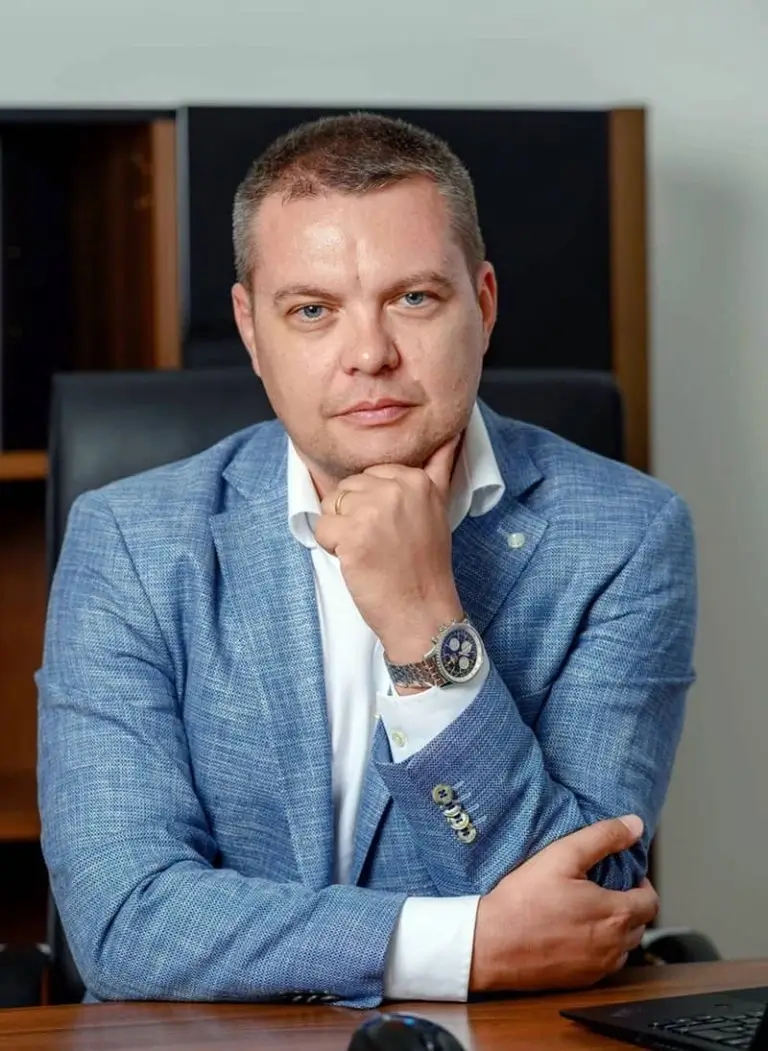
Cristian Darie
Meet Cristian Darie, a committed lawyer at Darie, Manea & Associates skilled in national and international legal matters. Contact our firm for legal assistance.
View profile
Marcela Manea
Meet Marcela Manea, managing partner at Darie, Manea & Associates, with over 7 years of practice guiding clients through complex legal matters in Romania.
View profile
Adriana Tugui
Adriana Tugui, managing partner at Darie, Manea & Associates, brings over 14 years of legal experience advising clients across Romanian law.
View profile
Laurentia Gheorghe
Laurentia Gheorghe is a senior lawyer leading our Criminal Law and Business Crime Department in Romania. Contact Darie, Manea & Associates for criminal defense.
View profileOana Darie
Attorney at law: litigation, property restitution (ANRP) and real estate.
View profileOana Vasilescu
Legal Assistant · drafting legal documents and dealings with public authorities.
Cătălina Bazan
Junior Lawyer · immigration law, litigation and legal consultancy.